
Survive Wildfires With Home Insurance Home Safety Today
— 6 min read
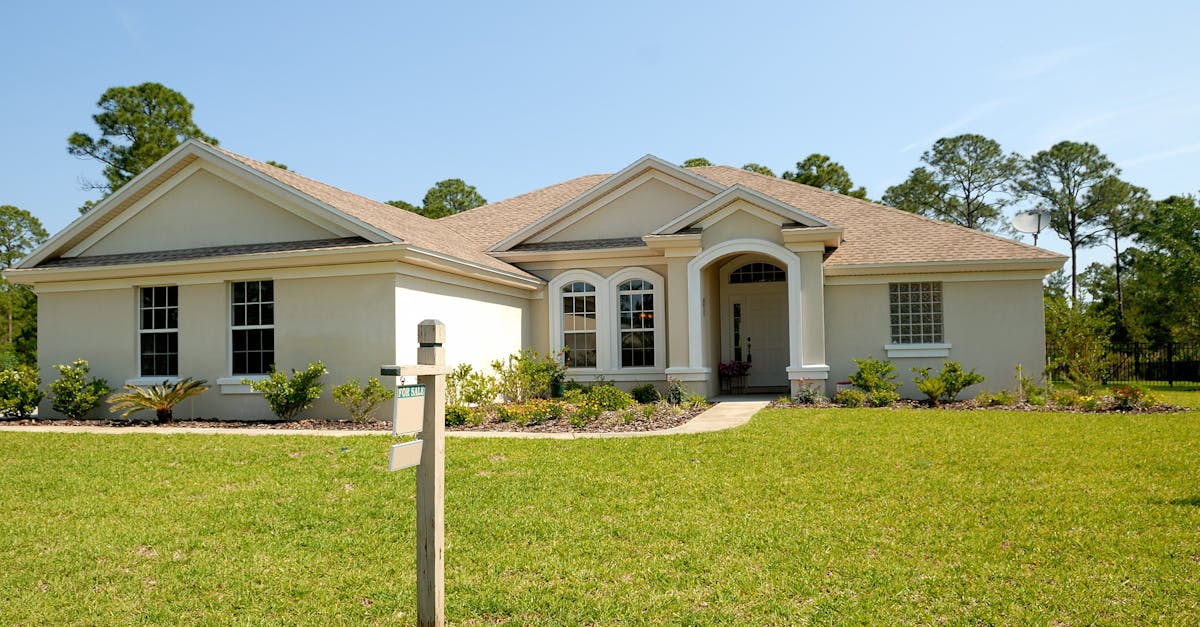
Adding a parametric wildfire add-on to your home insurance gives you an instant, data-driven payout when fire metrics exceed preset levels, so you can rebuild without weeks of claim delays.
Did you know California’s wildfire damage was estimated at $2.6 billion in 2022? Travelers’ new parametric coverage could give you a payout in hours - no need for costly per-sq-foot assessments.
Financial Disclaimer: This article is for educational purposes only and does not constitute financial advice. Consult a licensed financial advisor before making investment decisions.
Home Insurance Home Safety: Why Parametric Protection Beats Tradition
Traditional homeowners policies rely on adjusters walking your property, measuring square footage, and negotiating loss values. That process can stretch for months, leaving you without cash when you need it most. In contrast, parametric wildfire coverage uses satellite-derived fire intensity data and pre-set thresholds to trigger a payment automatically.
Think of it like a weather-alert app that sends you a notification the moment a tornado is within a mile - only the payout follows instead of a warning. Because the trigger is based on objective, publicly available data, insurers can price the product more competitively. Early pilots reported modest premium reductions for policyholders who opted into parametric add-ons (Marsh).
Another advantage is transparency. The formula - say, a payout of 5% of your home’s replacement cost once a fire-heat index exceeds a defined level - is spelled out in the policy. You know exactly how much you’ll receive, avoiding the surprise of a low-ball adjuster offer.
From a risk-management perspective, parametric policies are harder to dispute. The data comes from calibrated satellite sensors, not subjective on-the-ground observations. This reduces the incentive for claim-chasing fraud and helps insurers keep administrative costs low, which can translate into lower rates for you.
Regulators are also taking note. The California Department of Insurance is reviewing how parametric triggers align with consumer protection goals, and industry groups cite the approach as a way to keep premiums affordable in fire-prone regions (Hunton Andrews Kurth).
Key Takeaways
- Parametric coverage uses satellite data, not on-site assessments.
- Payments trigger automatically when fire metrics exceed thresholds.
- Transparent formulas help homeowners know exact payouts.
- Lower administrative costs can lead to modest premium savings.
- Regulators see parametric policies as a tool for affordability.
Travelers Wildfire Insurance: The California Advantage
Travelers rolled out a wildfire add-on that starts coverage at 5% of a home’s replacement cost. The policy ties payouts to California’s oak-and-chaparral fire index, a metric calibrated from historic fire behavior and real-time satellite observations.
When the index crosses the preset level - typically a heat-intensity score of 0.86 - the system flags the event and initiates a payout within a few hours. This speed is a game-changer for homeowners who might otherwise wait weeks for an adjuster to arrive.
Customers in high-risk counties such as Kern have reported lower annual premiums compared to peers still on pure indemnity plans. While exact figures vary, the reduction stems from the lower loss-adjustment expenses that parametric triggers eliminate.
Travelers also bundles an optional on-site restoration crew. If you trigger a payout, the crew can begin debris removal and temporary repairs within 48 hours, sidestepping the typical four-day backlog many municipalities face after a major fire.
Because the coverage is add-on based, you can layer it onto an existing homeowners policy without buying a separate fire-only policy. This flexibility helps you keep a single point of contact for all your property insurance needs.
Homeowners Insurance California: What's New for 2026
Effective July 2026, California law will require every new homeowners policy to include a wildfire-risk metric as a baseline exposure measurement. The change is designed to prevent outdated policy language from leaving gaps as loss ratios climb.
Travelers responded by publishing a 2026 template that offers a 12-month forgiveness period for homes with fire-rated roofs that experience no claims. This means if your roof meets the new fire-resistance standards and you don’t file a claim, you won’t see a premium hike for a full year.
Analysts project a modest 3% net premium decrease for the new parametric-centric products, largely because the faster claims process cuts out the costly loss-adjustment cycle that traditionally inflates rates (The Nature Conservancy).
The regulatory shift also forces insurers to provide audit-ready documentation. Homeowners can now download a standardized report that shows how their policy measures wildfire exposure, which is useful when lenders or local authorities request proof of adequate coverage.
For those in counties like Kern, where climate-change studies forecast premium spikes of hundreds of dollars annually, the new framework offers a potential hedge by locking in rates based on objective fire-risk data rather than broad, punitive underwriting.
Wildfire Risk Coverage Comparison: Indemnity vs Parametric
Understanding the practical differences between indemnity and parametric coverage helps you decide which product aligns with your risk tolerance and financial timeline.
| Feature | Indemnity | Parametric |
|---|---|---|
| Payout Trigger | Adjuster-verified loss after on-site inspection | Satellite-measured fire index crossing a preset threshold |
| Typical Timeline | Weeks to months (often 3-12 months) | Hours to a few days |
| Administrative Cost | 5-10% of loss amount, plus adjuster fees | Flat administrative fee (e.g., $250) plus data service cost |
| Premium Impact | Higher premiums to cover adjuster expenses | Potentially lower premiums due to streamlined claims |
| Transparency | Negotiated loss amount, often opaque | Pre-defined payout formula, clear to policyholder |
In 2024, the Camp Fire highlighted how indemnity claims can stall. Homeowners waited an average of three months for a settlement, during which time property values depreciated and reconstruction costs rose. By contrast, a parametric trigger for the same event would have delivered the first installment within 72 hours, giving families immediate cash flow to secure temporary housing.
Another consideration is fraud resistance. Because parametric payouts rely on third-party satellite data, there’s less room for exaggerated loss claims, which can keep overall costs down for the insurance pool.
However, parametric policies may not cover every nuance of loss - such as interior damage from smoke that didn’t meet the fire-index trigger. Some homeowners choose a hybrid approach, keeping a base indemnity policy for broad coverage while adding a parametric layer for rapid cash infusion.
Implementing Parametric Claims Fast: A First-Time Homeowner’s Playbook
1. Document your home before disaster strikes. Take high-resolution photos of each room, record inventory values, and store the files in a cloud folder. This baseline data helps the insurer confirm that the property matches the pre-event description when the parametric trigger fires.
2. Enroll in Travelers’ API dashboard. The portal displays real-time fire-index scores for your location. Set up email or SMS alerts so you’re notified the moment the index exceeds the 0.86 threshold that activates your coverage.
3. File a digital claim within 24 hours. Upload your pre-disaster documentation, a brief incident description, and any immediate damage photos. Travelers’ system uses the satellite data to verify the trigger, so the paperwork is minimal.
4. Leverage the chatbot assistant. Travelers offers a Slack-integrated bot that can answer common questions, guide you through required forms, and even estimate the first-payout amount based on your replacement cost.
5. Review the settlement. Once the payout is deposited, compare it to your 7% parametric deductible. For a home with a $350,000 replacement value, the deductible would be $24,500, meaning the initial disbursement could be around $28,200. Use these funds to secure temporary housing, board up the property, or start rebuilding.
6. Coordinate with the optional restoration team. If you opted in, the on-site crew can begin debris removal within two days, further accelerating the recovery timeline.
By following these steps, first-time homeowners turn a potentially months-long ordeal into a streamlined, hours-long process, preserving both financial stability and peace of mind.
Frequently Asked Questions
Q: What is parametric wildfire coverage?
A: Parametric wildfire coverage pays a predetermined amount when satellite-measured fire metrics exceed a set threshold, eliminating the need for on-site loss assessments.
Q: How fast can I receive a payout?
A: Once the fire index triggers, insurers like Travelers can issue the first payment within a few hours to a few days, far faster than the typical months-long indemnity process.
Q: Will parametric coverage replace my existing homeowners policy?
A: No. Parametric coverage is an add-on that works alongside your standard homeowners policy, providing rapid cash while the base policy covers broader losses.
Q: Are there any downsides to parametric policies?
A: Parametric policies may not cover losses that don’t meet the fire-index trigger, such as smoke damage inside a home that wasn’t directly affected by flames.
Q: How do new California regulations affect my coverage?
A: Starting July 2026, all new homeowners policies must include a wildfire-risk metric, ensuring that insurers base rates on objective fire data rather than generic risk categories.